

the currency blog
Field notes from a video production company built on cultural fluency. Essays on how stories get told, who gets to tell them, and what brands miss when they reach for the aesthetic without the truth underneath.
Proof of Existence
Family photography isn't vanity. It's evidence. It's the document that proves someone was here, that they mattered, that they lived. In 2019, an aunt I'd never met sent me the first photo I'd ever seen of my father.
The First Time I Saw My Father's Face
Family photography isn't vanity. It's evidence. It's the document that proves someone was here, that they mattered, that they lived. For many Black families, those documents are rare — and the ones that exist carry extra weight.
Imagine waiting your entire life to see what your father looks like — and realizing the first photo you find of him is of a man younger than you are now.
2019: The Aunt I Never Met and the Photo She Sent
Back in 2019, I did a people-finder search and tracked down my father's family. An aunt I'd never met sent me a photo of my father — someone I'd never met. For the first time in my life, I saw his face.
It felt like what I imagine a visually impaired person might experience the first time they see light, shape, or color. I stared at the image on my phone for a long time.
The irony landed hard: the first picture I ever saw of him was of a man younger than I am now. I was old enough to be his father. That's a strange thing to carry.
Photography, Access, and Black American History
From what I've learned, my father wasn't about the camera. In the few photos that exist, he's turned away or caught mid-motion, like he's escaping the frame. Relatives would point to a blurry figure and say, "That's your father."
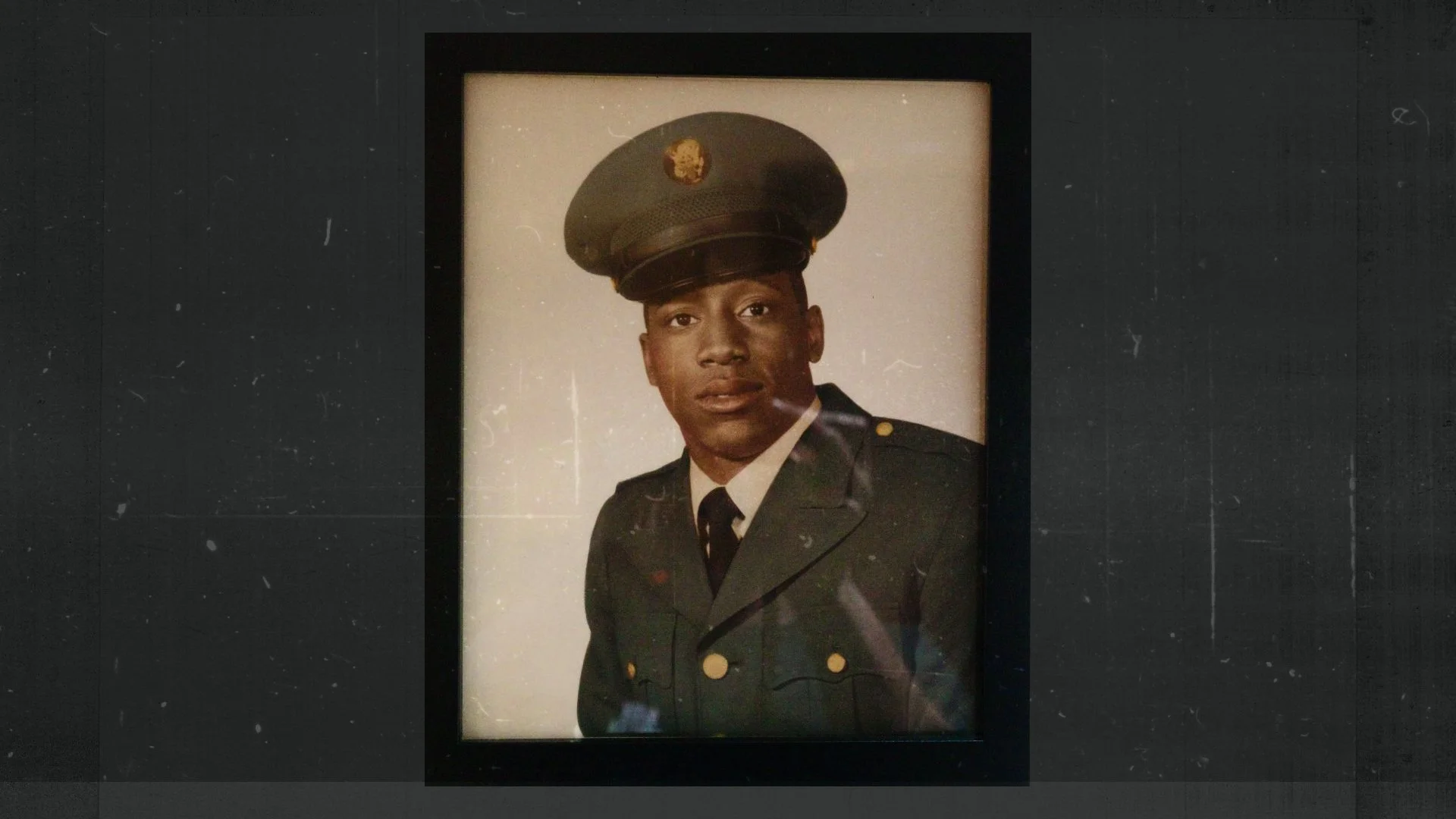
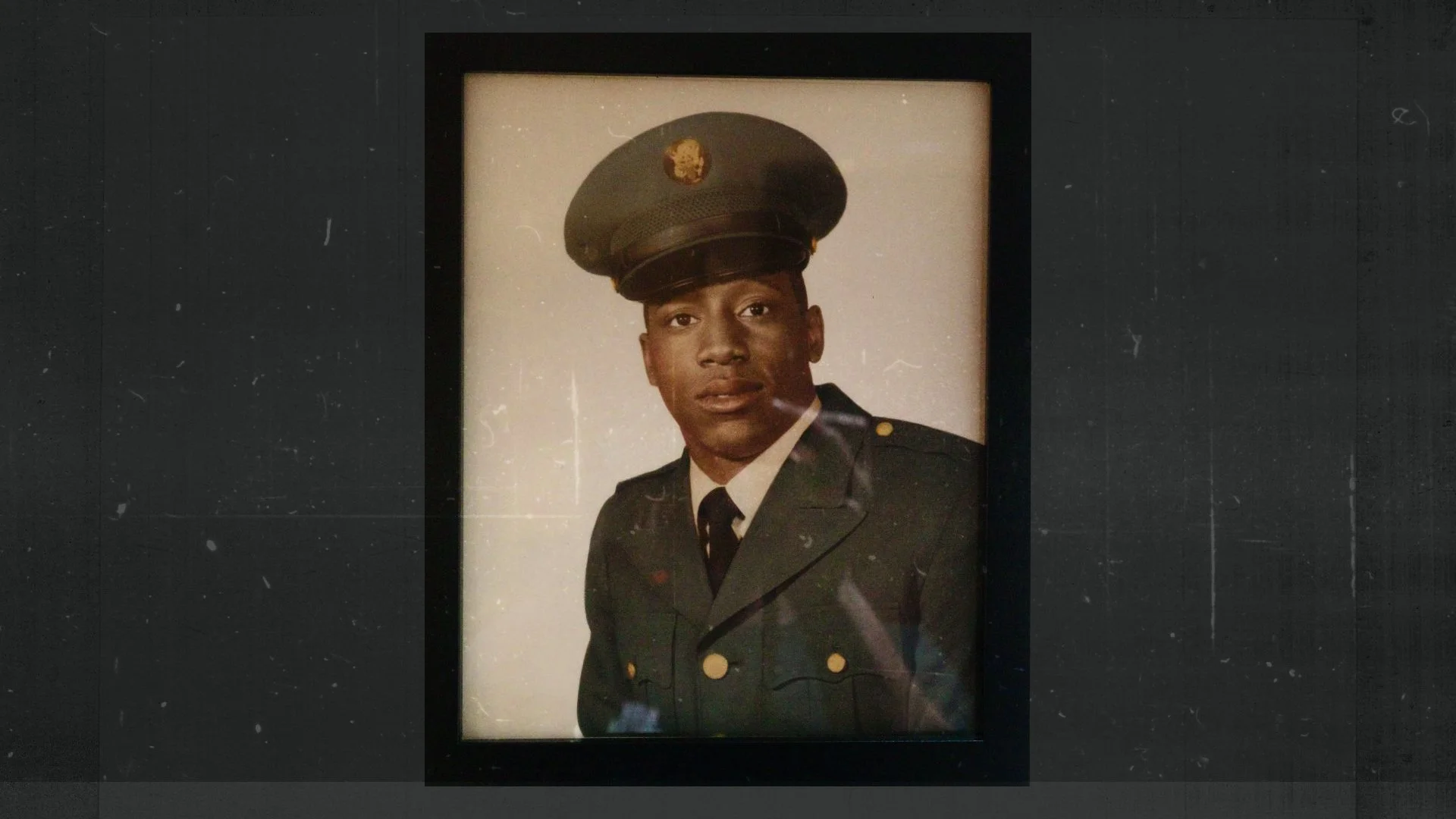
The early days of photography have always been about access. For many African Americans in earlier generations, photos were rare luxuries. The best portraits they had were often taken in uniform — military photos that granted them a dignity they weren't granted as civilians.
The only photo I have of my maternal grandfather is a military portrait too.
Time Tattoos: Why Photography Matters
I wish I could see more dimension to my father and grandfather. I want to see images that showed their laughter, their warmth, their spirit. But I'm grateful the military documented their existence at all.
Photos like these are time tattoos. They serve as proof that someone was here, that they mattered, that they lived.
As a photographer, I know how easy it is to take these moments for granted. But this image — my father's clean-shaven face framed on my wall — reminds me why photography is important. Wishing all the veterans peace today.
Work with Black Shutter Productions
Black Shutter Productions tells stories that matter: brand films, family legacy work, and documentaries that treat images like the historical documents they are. If you have a story that deserves preserving, reach out.
silent pressure
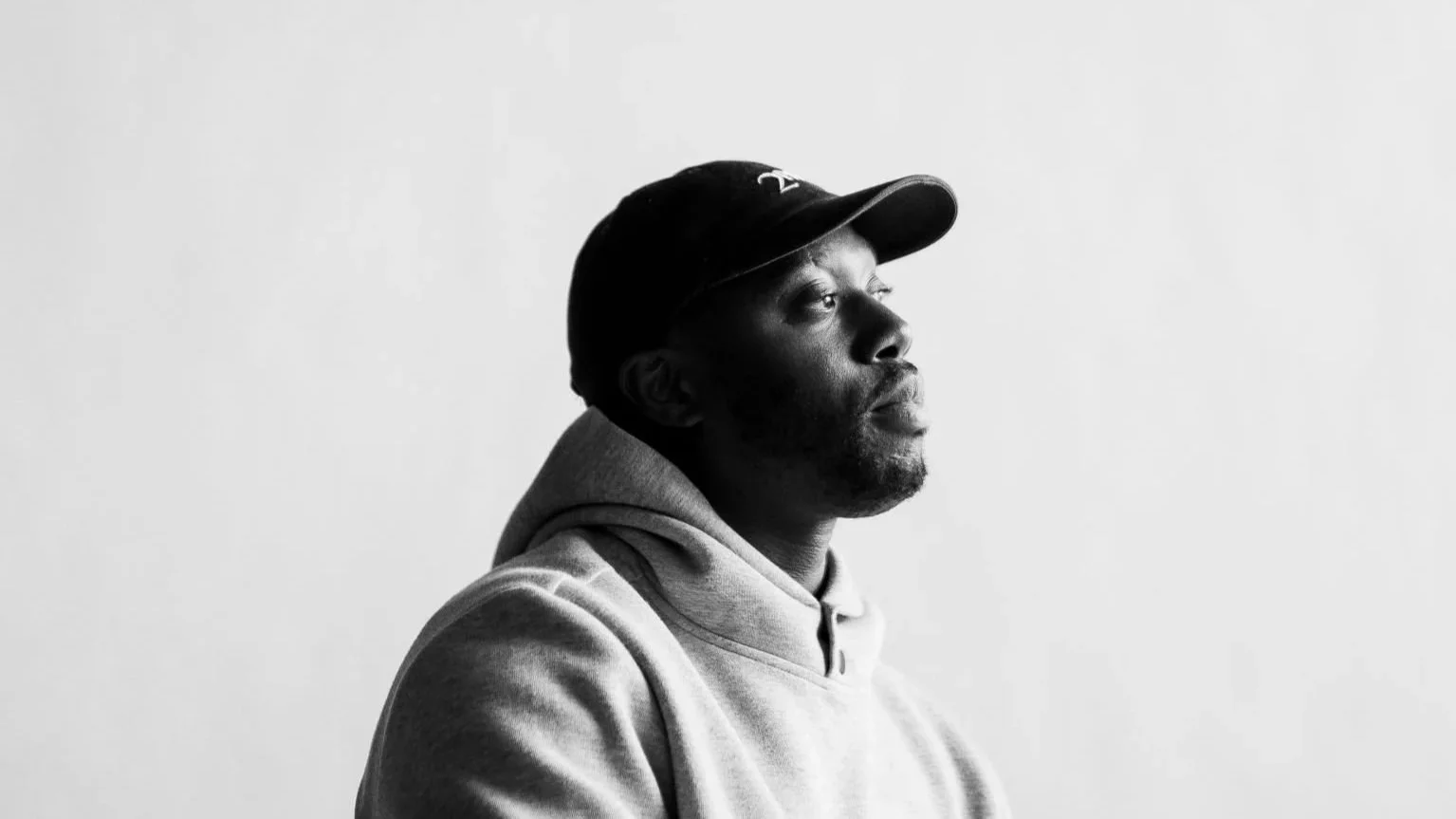
Being the only Black creative in the room carries a specific weight. It shows up before the meeting starts and stays after everyone else has gone home. It shapes what you pitch, what you push back on, and what you let slide.
The Quiet Pressure of Being "The Only One"
Being the only Black creative in the room carries a specific weight. It shows up before the meeting starts and stays after everyone else has gone home. It shapes what you pitch, what you push back on, and what you let slide — even when you swore you wouldn't.
Ever feel like the whole room is watching, waiting for you to make the shot?
The Free Throw Line
There's a hidden pressure that comes with being the only in a situation. Think about a basketball player standing at the free throw line. The game freezes. The crowd holds its breath. The world stares at the screen. No pressure — but one group needs you to hit that shot. Another expects you to miss it.
That's what it felt like being the only Black creator in a corporate creative space.
2010: Senior Art Director
Back in 2010, I was a senior art director at a major advertising agency. I was hyped. I was creating campaigns for big brands — everything from infertility drugs to liquor. I bounced around agencies across New York City, and most of the time, I was one of the only Black art directors in the room.
It didn't bother me at first. Nobody I knew growing up wanted to be a designer, so I was used to walking this road alone. The path was empty but never lonely. The scenery kept my imagination alive.
A Quiet Responsibility
As one of the few, I felt a responsibility — to represent people who look like me, and not to ruin any opportunity for the next person in line.
I was working on a project where I needed to source stock images. At the time, I didn't know what "target market" or "buyer persona" meant. I just knew I had a small bit of control over who appeared in the work.
The Concept That Got Rejected
One concept I presented featured a Black woman, an Asian man, a white woman, and a Black boy. It felt like my childhood. My world.
The idea was rejected. Too universal, they said.
That was a hard lesson — sometimes I had to create a world where I didn't exist. Still, I made sure that whenever I selected images of Black people, they were shown with dignity, not stereotypes. It might've seemed small. It mattered to me.
The Compass That's Still Guiding Me
That quiet responsibility became a compass. It still guides the projects I choose and the stories I tell. It's the reason I created the Black Shutter Podcast — a space where we do exist.
Work with Black Shutter Productions
Black Shutter Productions is what happens when that quiet responsibility becomes a company. If you're building brand work that actually reflects the world, let's build it together.
the power of creative collaboration
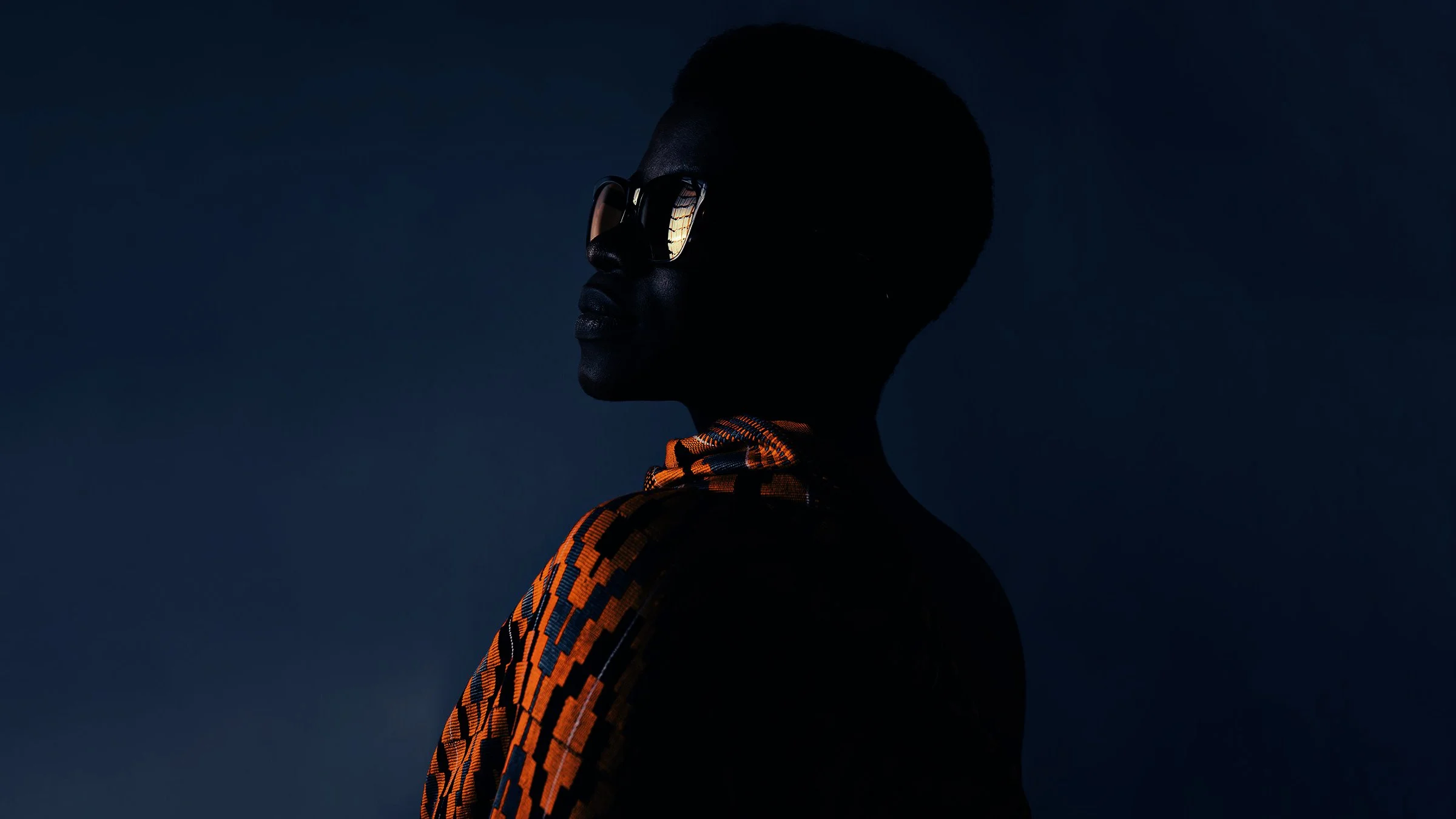
Back in 2017, I was living in Accra as a Fulbright Fellow. Still pretending to be a photographer. Then a friend asked me to shoot a campaign — and the project changed everything I believed about how great work gets made.
Finding My Voice in Accra
Creative collaboration in brand storytelling isn't a luxury add-on. It's the structural element that turns individual talent into work that actually holds up. One project in Ghana taught me that — and reshaped my entire creative philosophy.
Back in 2017, I was living in Accra as a Fulbright Fellow. Still pretending to be a photographer.
The Year I Stopped Pretending
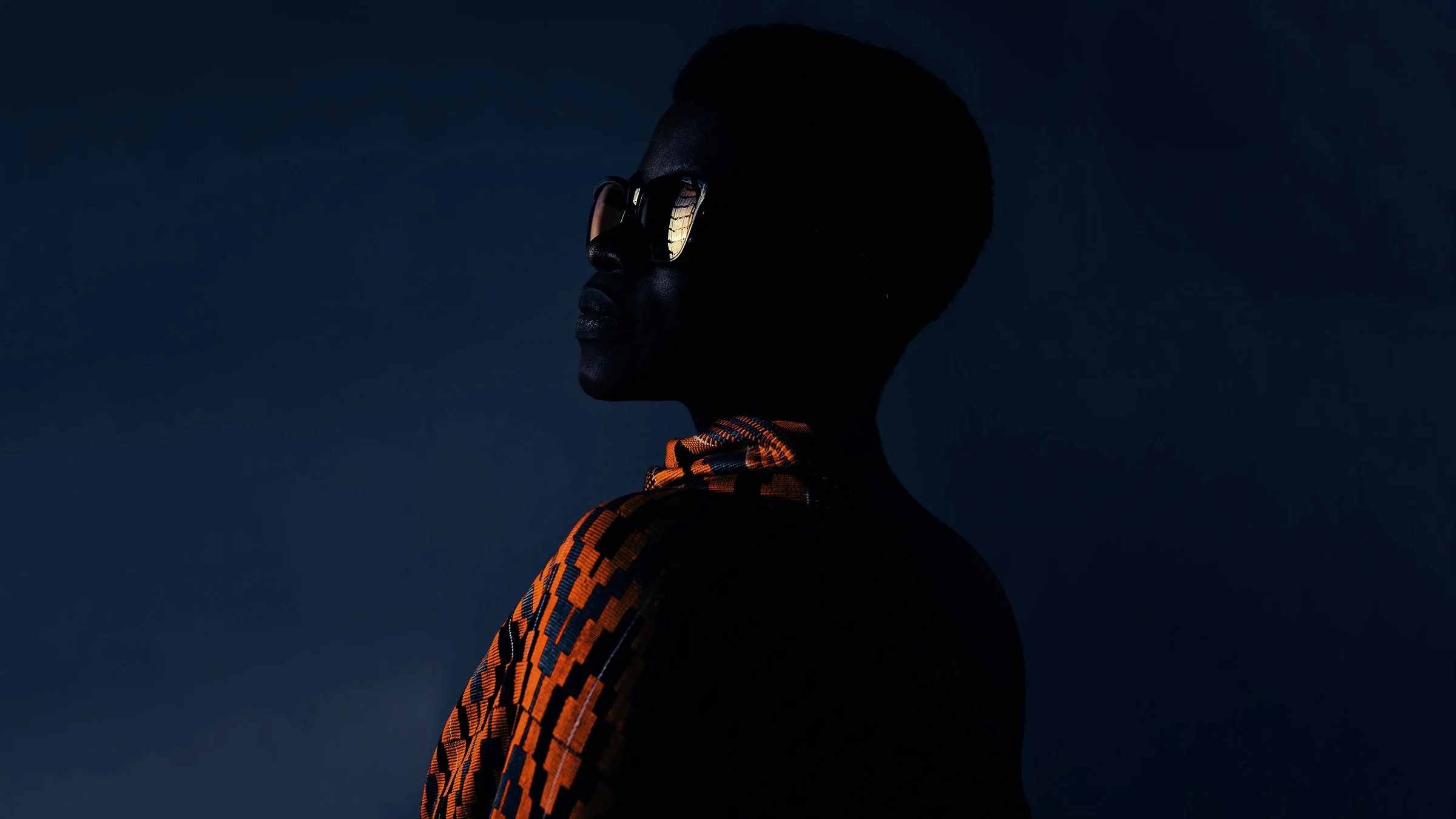
That time gave me the freedom to experiment. I photographed everything — dance, theater, environmental portraits. I was cultivating my visual voice without a commercial clock on me. Then came a call from my good friend Nana, cofounder of Bôhten Eyeglasses. He asked me to shoot their first Ultraculture campaign.
That project changed everything.
Inside the Ultraculture Shoot
We built mood boards, ran lighting tests, played music, and surrounded ourselves with talented, beautiful people. Hair and makeup artists turned bodies and faces into canvases. I focused on translating Nana's vision into frames while the rest of the team brought unfamiliar skills up close enough for me to learn from.
Collaboration Is a Creative Gumbo
That's when I learned: collaboration is a superpower. When artists bring their strengths to the same table, it becomes a kind of creative gumbo. Each ingredient is distinct. Together they build something none of them could make alone.
You don't have to be strong in everything. You have to be strong in your thing — and trust the rest of the room to be strong in theirs.
The Lifeblood of the Work
This single photo from that shoot represents more than a moment. It's a milestone in my creative journey. Since then, I've made collaboration a core part of every process at Black Shutter Productions. It's the lifeblood of the work.
Work with Black Shutter Productions
Black Shutter Productions builds campaigns and brand films through deep creative collaboration with clients, crews, and talent. If you want work made that way, let's talk.
The Playground of Creativity
Most of us aren't unmotivated. We're confined. Creative freedom at work isn't a distraction from productivity. It's the condition that produces it. Options don't scatter us. They give us room to play.
Why Freedom Fuels Better Work
Most of us aren't unmotivated. We're confined. Creative freedom at work isn't a distraction from productivity — it's the condition that produces it. Options don't scatter us. They give us room to play.
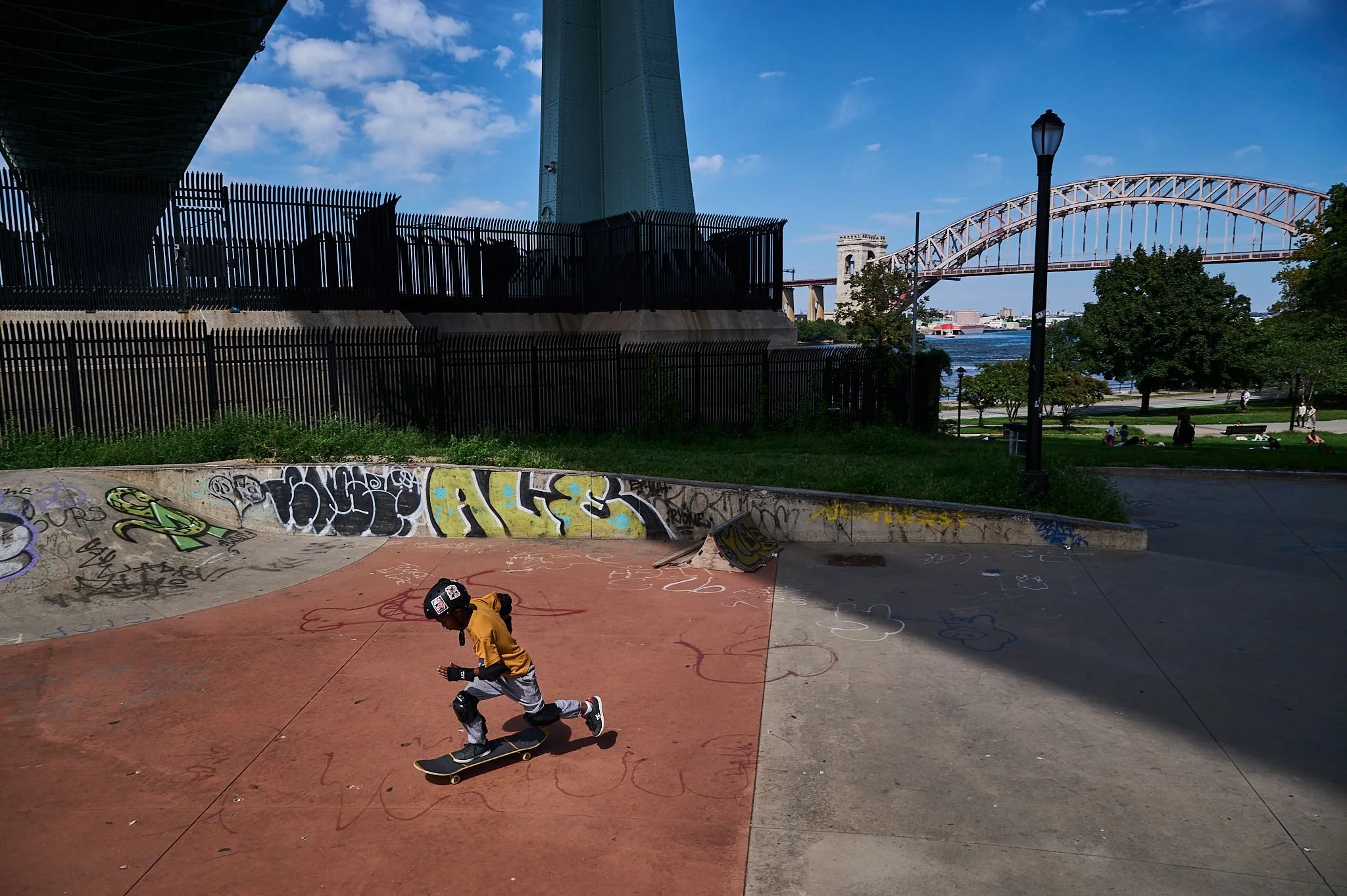
Options are a playground.
Stuck Inside, Watching the Playground
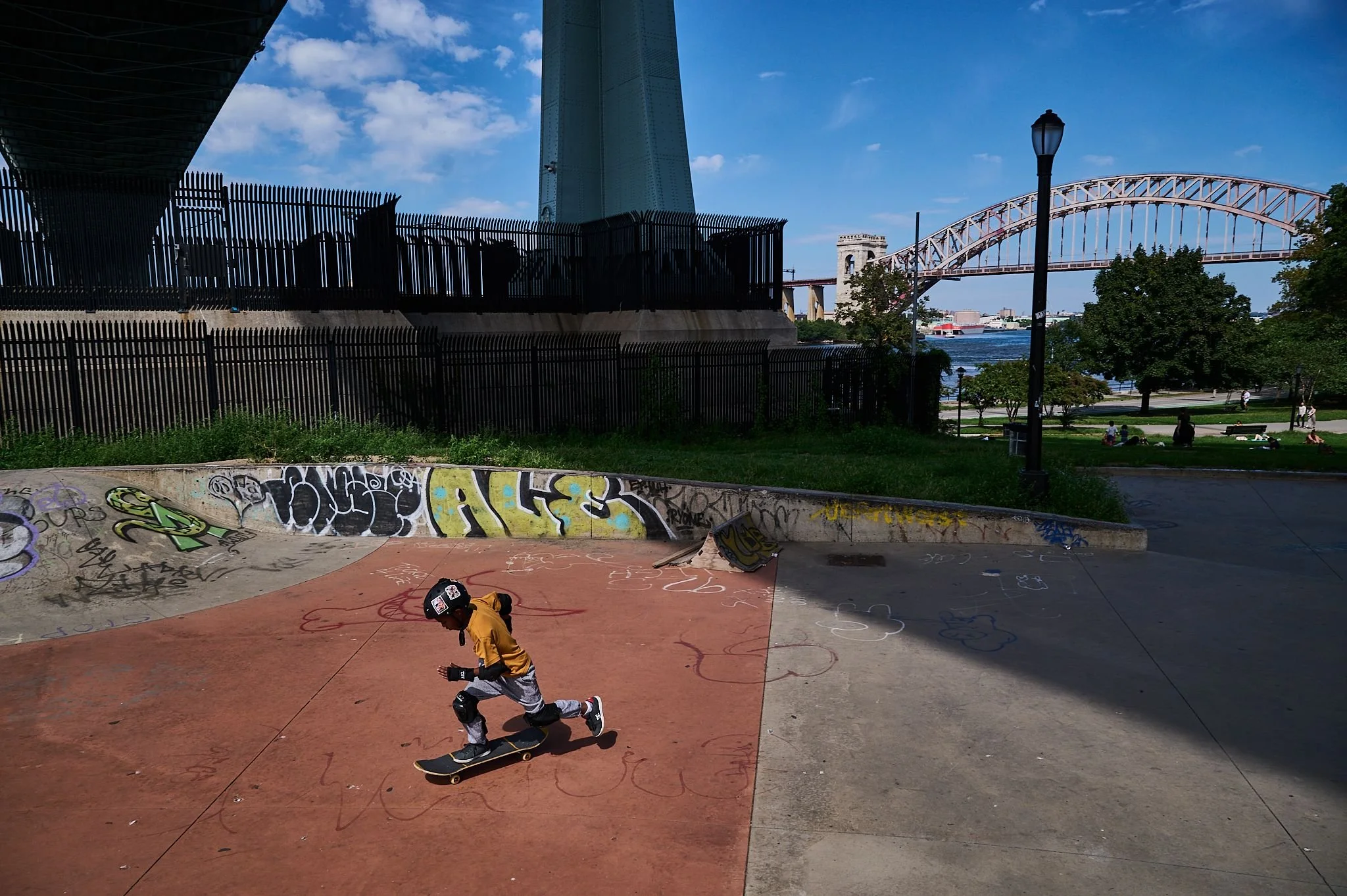
I remember being a kid, stuck inside doing chores and homework, staring out the window at an empty playground — or worse, watching other kids already out there running free. Swinging. Switching directions. Playing in the water from an open hydrant. Making up games on the fly.
What I wanted wasn't rebellion. It was freedom. The chance to move, to explore, to choose.
What My Report Cards Told Me
Looking back at my report cards from kindergarten through high school, one thing stayed consistent: my personality. Teachers noted that I often left the group to do my own thing. I thrived in spaces that allowed expression and struggled in environments that felt rigid.
Creativity felt like oxygen. Restriction felt like suffocation.
Then College Happened
I went from a C-minus student to the Dean's List my first semester. Not because I got smarter. Because the walls came down. Fewer rules. Fewer constraints. More freedom. More responsibility. I could design my own routine.
High school was the house I was stuck in. College was the playground.
Cubicles, Screens, and the Same Pattern
That pattern didn't stop at school. As adults, many of us sit in cubicles or behind screens, watching other people live out what looks like a fuller expression of themselves. We call it envy. Maybe it's recognition. They're not more talented. They just have a bigger playground.
Options, Momentum, and a Life That Expands
I don't believe we're meant to live as restricted as we do. Creativity is the playground. The more room we give ourselves to explore, experiment, and move freely, the more our world expands. With every expansion, new options appear. With options comes momentum. With momentum comes life.
Work with Black Shutter Productions
Black Shutter Productions is built to give brands and creatives room to play. If your next project deserves real creative latitude, reach out.
The Masks We Wear
Superman's real disguise isn't the cape. It's Clark Kent. On the invisible masks people of color wear in corporate spaces, and the superpowers we discard at the door just to be allowed inside.
The Masks We Wear Prevent Us from Being Super
Authenticity in the workplace gets discussed like a soft skill. It isn't. Dimming your light to match a room costs you the exact superpower you were hired for. Today is Halloween, and the masks that matter most aren't the ones people can see.
Today people step into alter egos. Some go bold, some go funny, some go scary. But it has me thinking about the invisible masks we wear every single day.
Gekko from PJ Masks
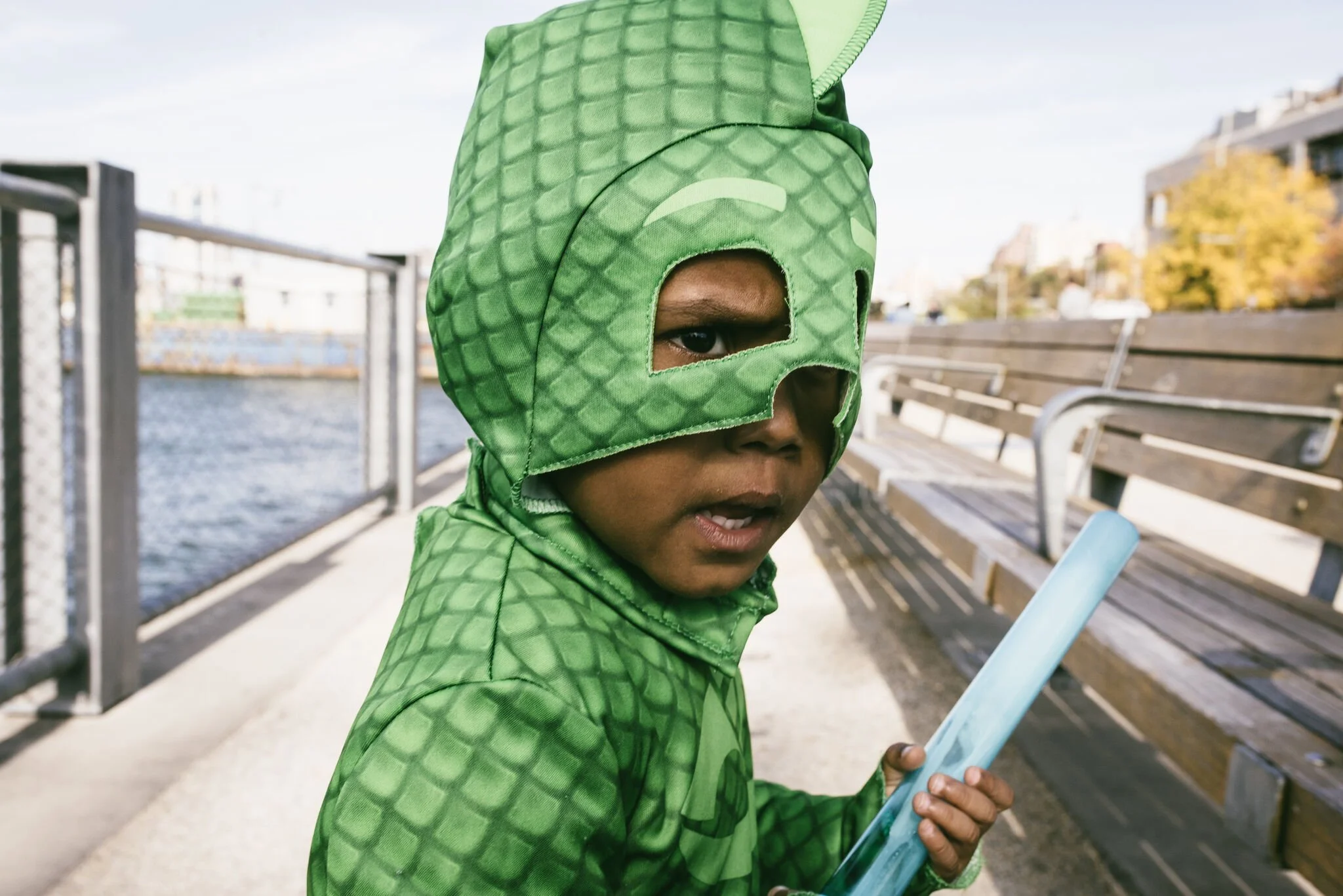
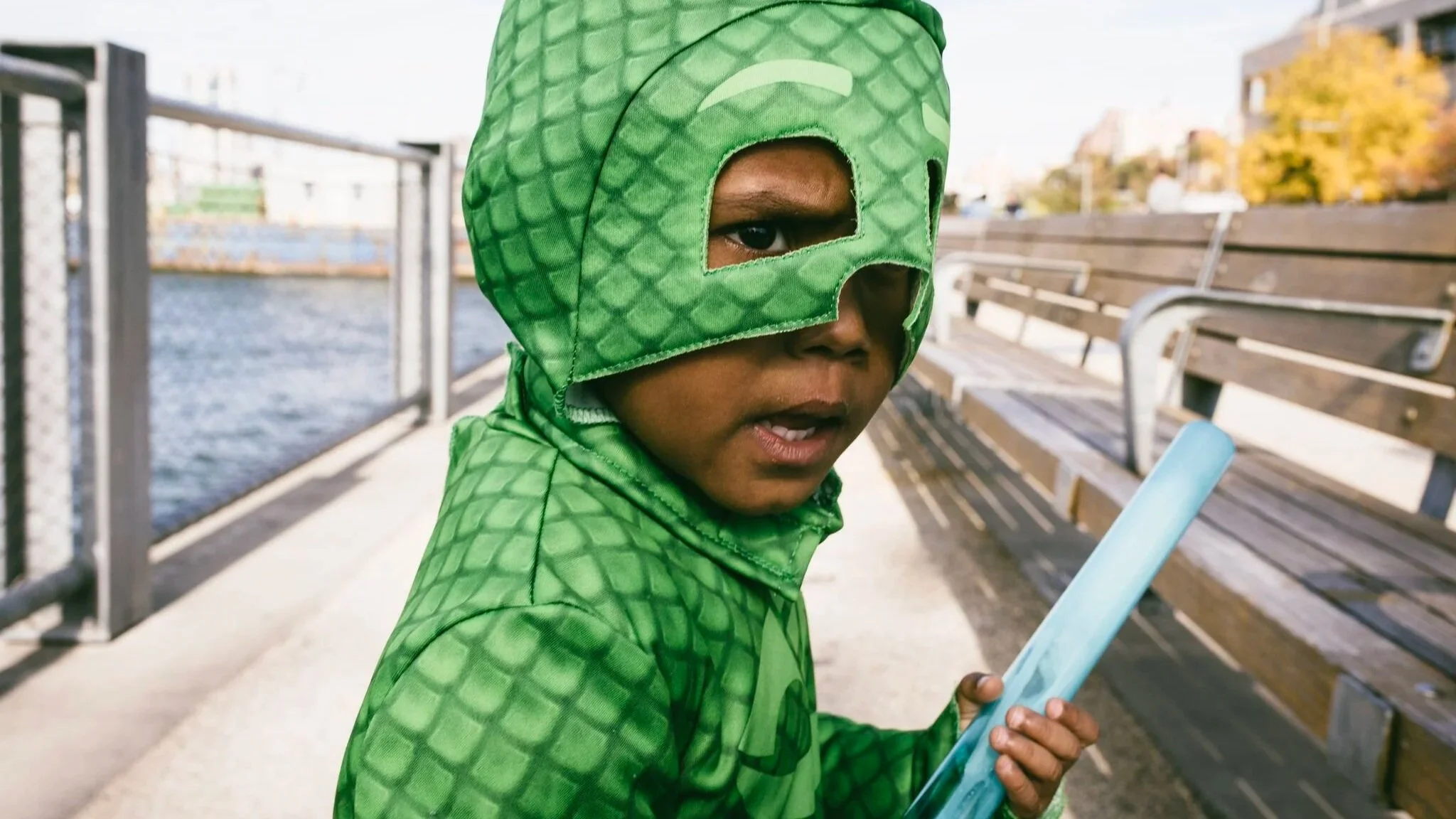
I love this photo of my son, Talib. No one could convince him he wasn't Gekko from PJ Masks. He was out there fighting crime only he could see — and he believed every second of it. He was brave. He was strong. He was super.
Superman's Real Disguise
Superman, arguably the greatest hero in comic history, is only super in his natural state. His disguise isn't the cape — it's Clark Kent. He wears a mask to blend in. To seem ordinary. To be less.
How many of us do the same?
Invisible Masks in Corporate Spaces
Black and Brown folks in corporate spaces. Women in male-dominated industries. Queer folks in homophobic offices. How many of us shrink, mute, or dim our light just to make other people comfortable?
What superpowers are we discarding at the door, every single morning, just to be allowed inside?
Being Super Is a Daily Act of Self-Preservation
Being super doesn't mean saving the world. It means showing up fully as yourself. Using your gifts, your story, your experiences to make your corner of the world better.
Honoring those gifts is an act of self-preservation and gratitude. Masks off.
Work with Black Shutter Productions
Black Shutter Productions was built on the premise that creative work lands harder when the people making it aren't hiding. If you're building a brand that values that, let's work.
The Magic of Dreams
Every real creative project starts invisibly. Turning vision into reality is the unglamorous work of catching an idea before it vanishes and putting in the hours to prove it. That's the whole magic trick.
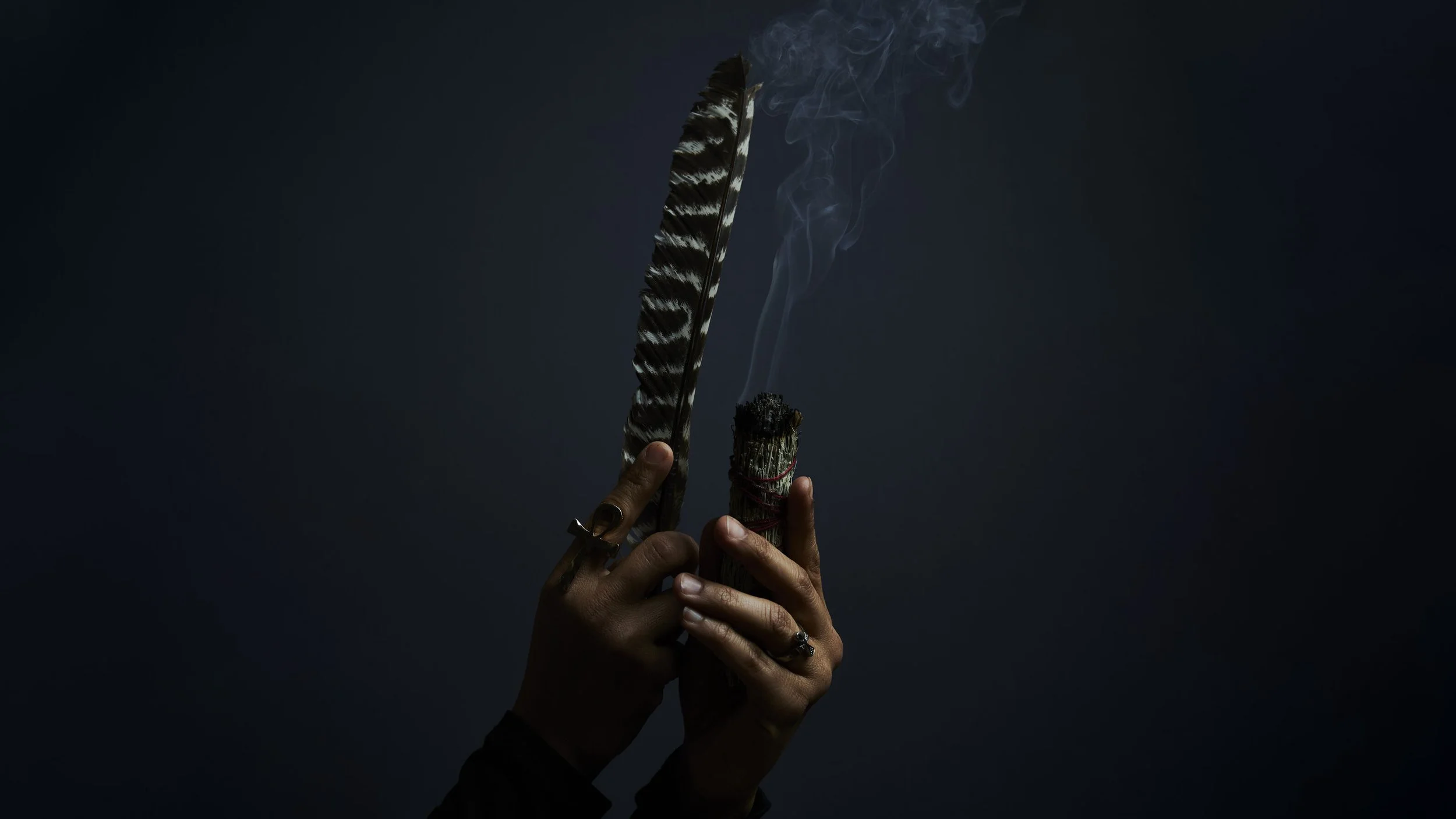
Turning Creative Vision into Reality
Every real creative project starts invisibly. Turning creative vision into reality is the unglamorous work of catching an idea before it vanishes and putting in the hours to prove it. That's the whole magic trick.
While reading The Art of Power by Thich Nhat Hanh, something finally clicked about the importance of dreaming beyond what we currently believe is possible.
Sight vs. Vision
Big goals start as ideas in our minds. We have to see them internally before they manifest in the world. That happens long before anyone else recognizes them.
That's the difference between sight and vision. Sight is what our eyes perceive. Vision is what our intuition reveals.
Books are written, movies are made, and conferences are held — all to teach people how to transform their dreams into reality. That's the magic behind the making.
The Two Kinds of Magic
I've always been fascinated by magic tricks. I love the art of misdirection, the thrill of trying to uncover the illusion and getting it wrong every time.
Beyond stage magic, I'm even more captivated by the intangible magic of ideas, imagination, and creativity. Where do ideas even come from?
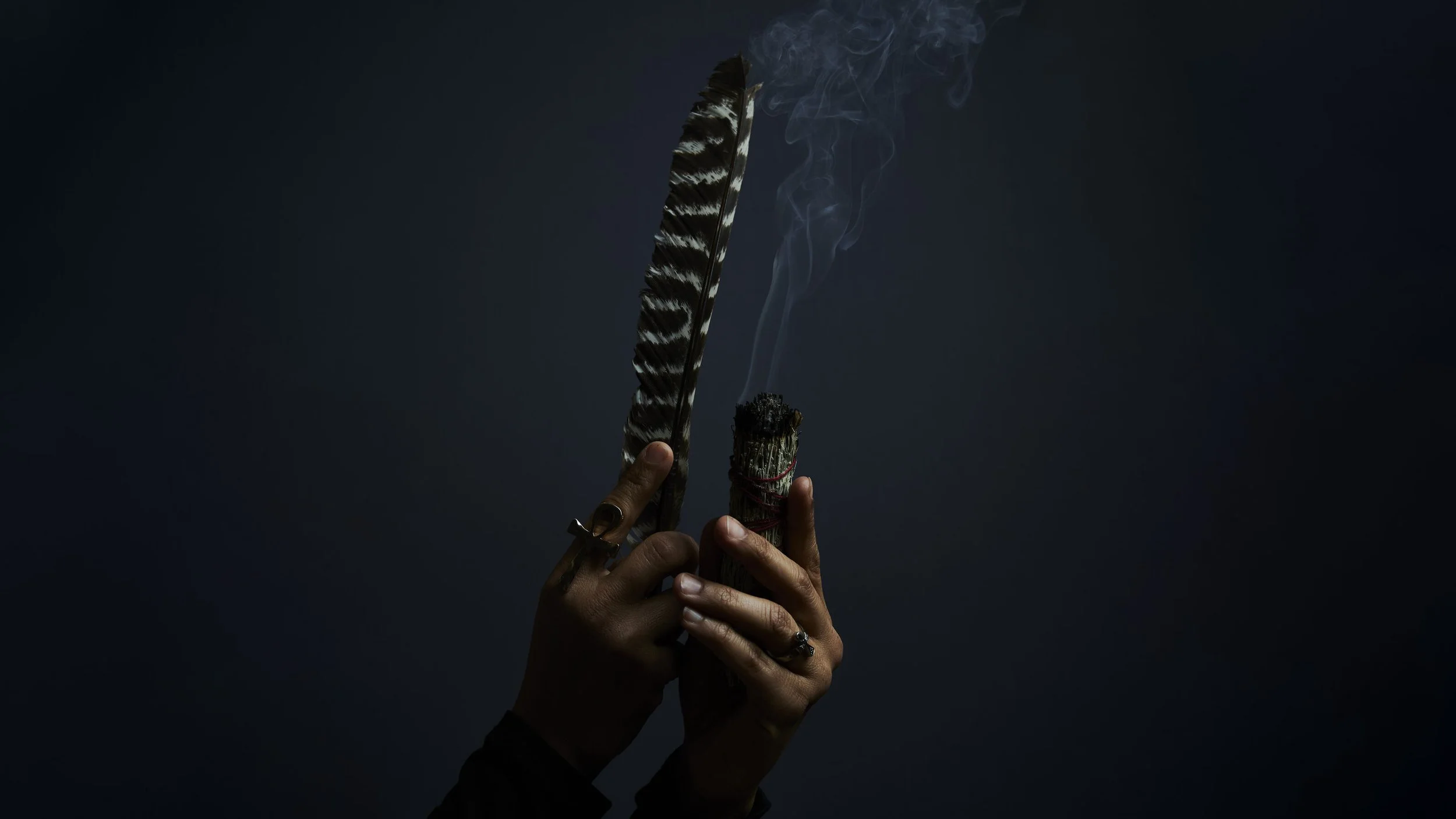
Unlike sleight of hand, this kind of magic isn't meant to deceive. It requires our full attention. If we don't nurture our ideas when they first spark, they vanish like smoke. All that remains are the faint outlines of what could have been.
The Work Behind the Magic
Bringing dreams to life is a specific kind of magic. Writing them down is the first step — planting the seed. Breaking them into actionable steps is how we nurture the thing into growth.
There's no illusion here. No shortcuts. Just consistent effort, mindfulness, and attention to detail.
Why I Still Believe in It
I love magic. I know it's faker than wrestling, but it gives me something to believe in, even when I can't explain how it works. That's what dreams are. They're visions we trust in before they take shape. The magic is just the work done behind the scenes until they become real.
Work with Black Shutter Productions
Black Shutter Productions exists because one idea was given enough attention to survive. If you have a vision that needs help becoming real, let's talk about it.
The Gift You Don't See Coming
Mentorship in creative careers rarely announces itself. It shows up as one person noticing something in you that you haven't noticed in yourself yet. Once they name it, you can't unsee it.
How Mentors Shape Creative Careers
Mentorship in creative careers rarely announces itself. It shows up as one person noticing something in you that you haven't noticed in yourself yet. Once they name it, you can't unsee it — and it starts quietly rewriting who you think you can become.
Sometimes people see talent in you that you've never considered. And once they point it out, it crystallizes. It becomes part of how you move, what you believe, who you think you can become.
How Belief Gets Planted
It's like when a coach sees a kid's natural speed, or a teacher catches the spark of a math mind. Suddenly that kid believes he's good enough to make the team. That student starts imagining life as an engineer. All because someone planted a seed in fertile ground.
Binghamton, 2000: The Role Created Just for Me
Back in 2000, at Binghamton University, I was that kid. I registered for my first black-and-white film photography class. At the same time, I was part of a student organization called JUMP Nation — the Juvenile Urban Multicultural Program. We brought potentially at-risk 8th graders from New York City to campus for a four-day experience, to switch up their environment and show them what was possible.
The president of the organization kept seeing me with my camera. One day he asked me to join the board as historian — a role he created specifically for me, because he believed the moments with those young people deserved to be documented.
I didn't think much of it. Photography wasn't my path, or so I thought. I assumed the experience would just look great on a résumé.
The Seed That Became a Career
Meanwhile, a seed was taking root. The role I treated as a résumé line would grow into my life's work: documenting my community, telling our stories, becoming a historian of my own world.
I believe in keeping visionaries close — not just people who dream for themselves, but people who can see possibilities in others that those people have never considered for themselves.
I'm big on self-awareness and self-actualization. Part of that journey is paying attention to the gifts people keep reflecting back at you. Sometimes they see a version of you that's more accurate than the one you carry. It's wild how that works.
A Question Worth Sitting With
When was the last time you pointed out a gift in someone else? Encouraged them to go further because you believed in them? Your words might be the seed that changes their entire trajectory.
Work with Black Shutter Productions
Black Shutter Productions grew out of that original instinct — to document our community and tell our stories with intention. If your brand has a story that deserves that kind of care, let's build it together.
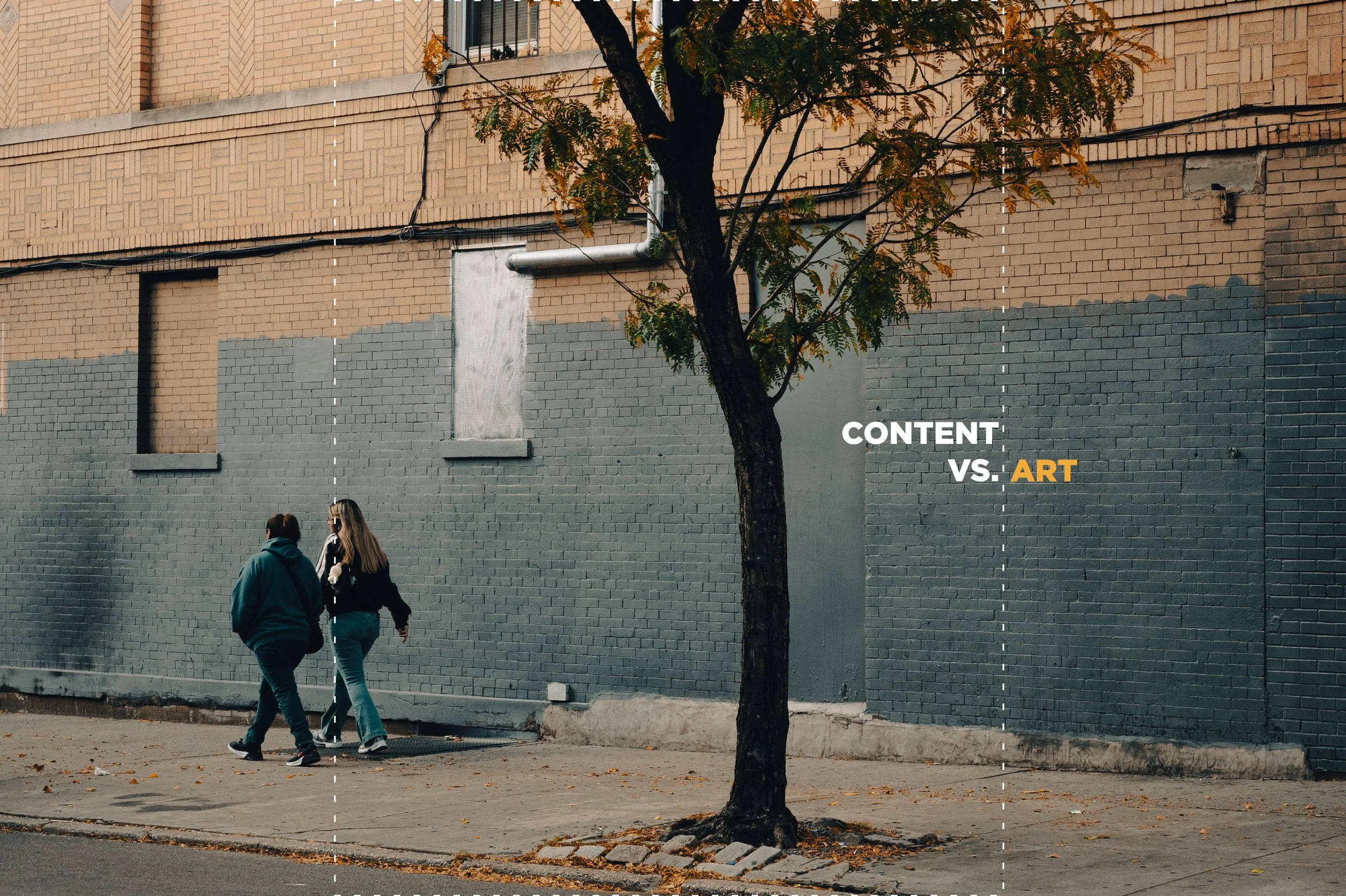
CONTENT vs ART
Art inspires. Content converts. One is a gift to the public; the other is a transaction with an audience. In visual storytelling, confusing the two is how creators lose their voice to the algorithm.
Why the Difference Matters More Than Ever
Art inspires. Content converts. One is a gift to the public; the other is a transaction with an audience. In visual storytelling, confusing the two is how creators lose their voice to the algorithm.
Artists make art. Then we post it. Then it becomes content. There's a difference. And every photographer, filmmaker, and brand needs to understand where the line sits.
The Purpose Behind Each Image
The artist in us creates from imagination and shares it with the public to inspire and entertain. Content, by contrast, exists to engage an audience that will eventually become consumers.
When brands hire us at Black Shutter Productions, our job is to artfully create content — to bring the discipline of art into work built for commercial consumption. Sometimes those two forces pull in the same direction. Sometimes they're in outright opposition.
How Platforms Are Training Us to See
I know editors actively encouraging young photographers to shoot vertical because that's how most people consume news now. As independent creatives in journalism, media, and editorial, we have to deliver in multiple formats. That's part of the job.
But here's what happened recently: I uploaded an image to Instagram. The platform auto-cropped it to fit its vertical dimensions. That serves Instagram's goal of training viewers to see vertically. It doesn't serve my goal as the artist who wants his work viewed horizontally. On the grid, my photo looked like trash. Weird crop. It looked like a mistake.
The platform isn't designed to cater to the artist. It has its own agenda. The more we understand that, the less we fight against the currents of this evolving digital landscape — and the more intentional we become about when to ride them and when to paddle the other way.
What We Lose When We Only Shoot Vertically
Many young photographers primarily make vertical images because that's how they see most of their content. Even videos are made that way. Our phones and apps are training us to think vertically.
But art shouldn't be dictated by a single medium. Photography matters because it reveals how the photographer sees the world. That perspective is the product. When we only shoot vertically, we lose parts of the story. No one actually views the world that way. We've been conditioned to.
Perspective Is What Survives the Algorithm
There's a time for a narrow perspective and a time for a wide one. The real skill is knowing when to choose. When the current app fades (remember the panic around the TikTok shutdown?), what remains is our perspective.
There's a difference between art and content. One is for consumption. The other is for inspiration. Choose the frame that best represents your view of the world — not the one the platform defaults you into.
Work with Black Shutter Productions
At Black Shutter Productions, we build brand films and visual campaigns that treat content like art and respect the perspective of the artists behind the lens. If that's the kind of work you want made for your brand, let's talk.